12 Sep 2026
Premier League Clubs Adjust to Shifting Rules on Unlicensed Gambling Sponsorships

Ten out of the Premier League’s twenty clubs now maintain sponsorship or advertising ties with unlicensed gambling operators, a figure that rose from six clubs earlier in the summer according to industry reports. This development places club revenue streams in the path of a proposed UK government ban slated for 2027, as an eight-week consultation period on prohibiting such arrangements wrapped up recently. The consultation examined rules that would bar clubs from partnering with operators lacking a UK licence, while licensed firms such as Ladbrokes and William Hill have expressed concerns over competitive imbalances that could arise if the restrictions take effect.
Consultation Details and Timeline
The government review ran for eight weeks and gathered input from clubs, betting companies, and regulatory bodies before closing in September 2026. Officials indicated plans to advance legislation next year with the prohibition targeted for implementation in 2027. During this period the Premier League maintained active lobbying efforts aimed at preserving existing commercial arrangements, whereas the Department for Culture, Media and Sport signalled continued movement toward tighter controls on unlicensed partnerships. Observers note that the timing coincides with broader efforts to address expansion in Britain’s unregulated betting sector, where consumer protection standards differ from those enforced on licensed entities.
Impact on Club Revenue and Market Dynamics
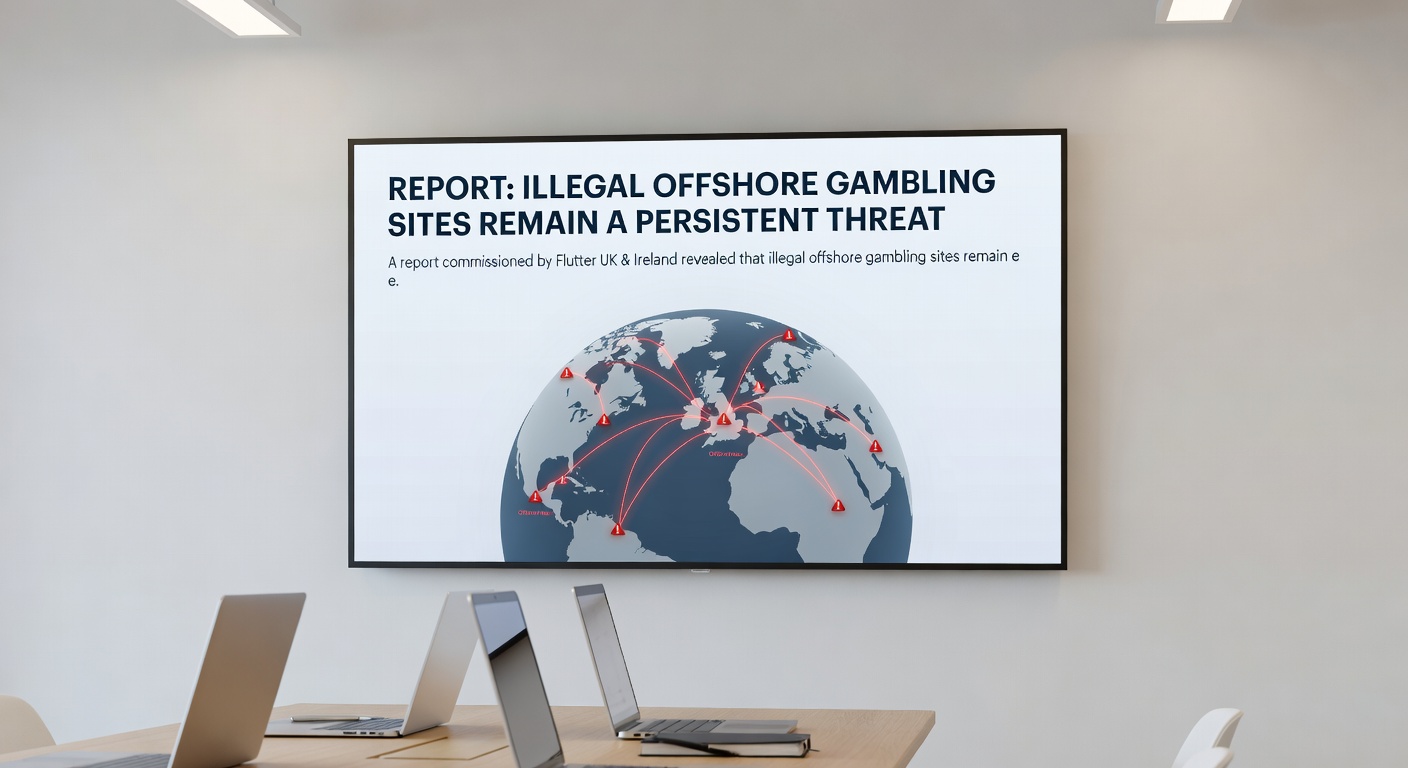
Half the league’s membership now holds exposure through deals that could face termination under the forthcoming rules, creating potential shortfalls that clubs may need to offset through alternative sponsorship sources. Licensed operators have highlighted risks of revenue migration toward offshore platforms that operate beyond UK oversight, a trend data from the consultation period already begins to reflect. Those monitoring the sector point out that unlicensed activity has grown steadily, prompting questions about how clubs will restructure commercial portfolios once the 2027 deadline arrives.
Stakeholder Positions and Next Steps
Licensed betting companies including Ladbrokes and William Hill participated in the consultation by submitting evidence on market fairness and consumer safeguards, while club representatives argued that existing agreements support grassroots investment and community programmes. The Premier League as an organisation has coordinated responses that emphasise economic contributions from current sponsorships, yet government statements confirm the intent to proceed with the ban regardless. Figures cited during the review period show unlicensed operators capturing an increasing share of activity, which regulators link to gaps in advertising oversight.
Clubs that recently expanded ties to unlicensed partners now face decisions on contract renewals and replacement income streams before 2027. Industry analysts tracking the consultation outcomes expect further guidance from the government in the coming months, with enforcement mechanisms likely to include fines and compliance reporting for any remaining partnerships. Those familiar with prior regulatory shifts note that similar transitions in other sports have prompted rapid diversification of sponsorship categories, often toward technology and retail sectors.
Consumer Protection Considerations
The consultation documentation underscores potential vulnerabilities for bettors engaging with unlicensed platforms, where dispute resolution and responsible gambling tools may not align with UK standards. Government materials released alongside the review closure reference increased activity in unregulated markets as a key driver for policy change. Licensed operators contend that clearer distinctions between permitted and restricted sponsorships could help direct consumers toward compliant services, whereas clubs have focused submissions on the financial ramifications of abrupt contract endings.
Conclusion
With the consultation now concluded, attention turns to legislative drafting expected in 2027 and the practical steps Premier League clubs will take to manage sponsorship transitions. The rise to ten clubs with unlicensed relationships illustrates the pace of recent market adjustments, while the government’s stated timeline signals firm direction on future restrictions. Licensed operators and club executives continue to monitor developments as preparations for the new regulatory environment advance.